The Story Behind
the Recipes
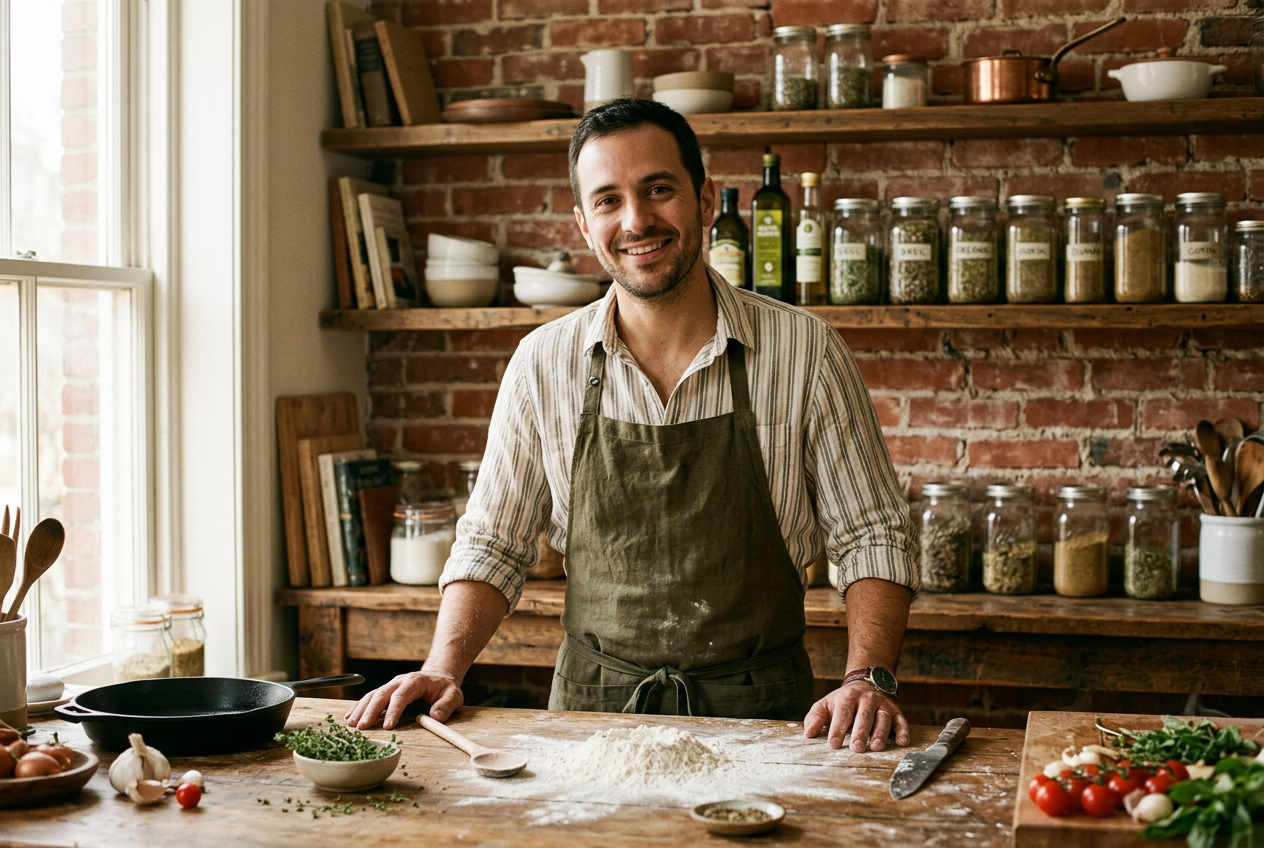
"Every dish I cook carries a memory — my grandmother's hands rolling dough at dawn, the smell of dried herbs hanging in my uncle's garden, the sound of a pan sizzling on a wood-fire stove. I don't just cook food. I cook stories."
Born in Ankara and raised between spice markets and family dinner tables, Doğukan has spent years turning ancestral recipes into heartfelt culinary experiences — one honest plate at a time.
A Kitchen in İstanbul,
a Table for the World
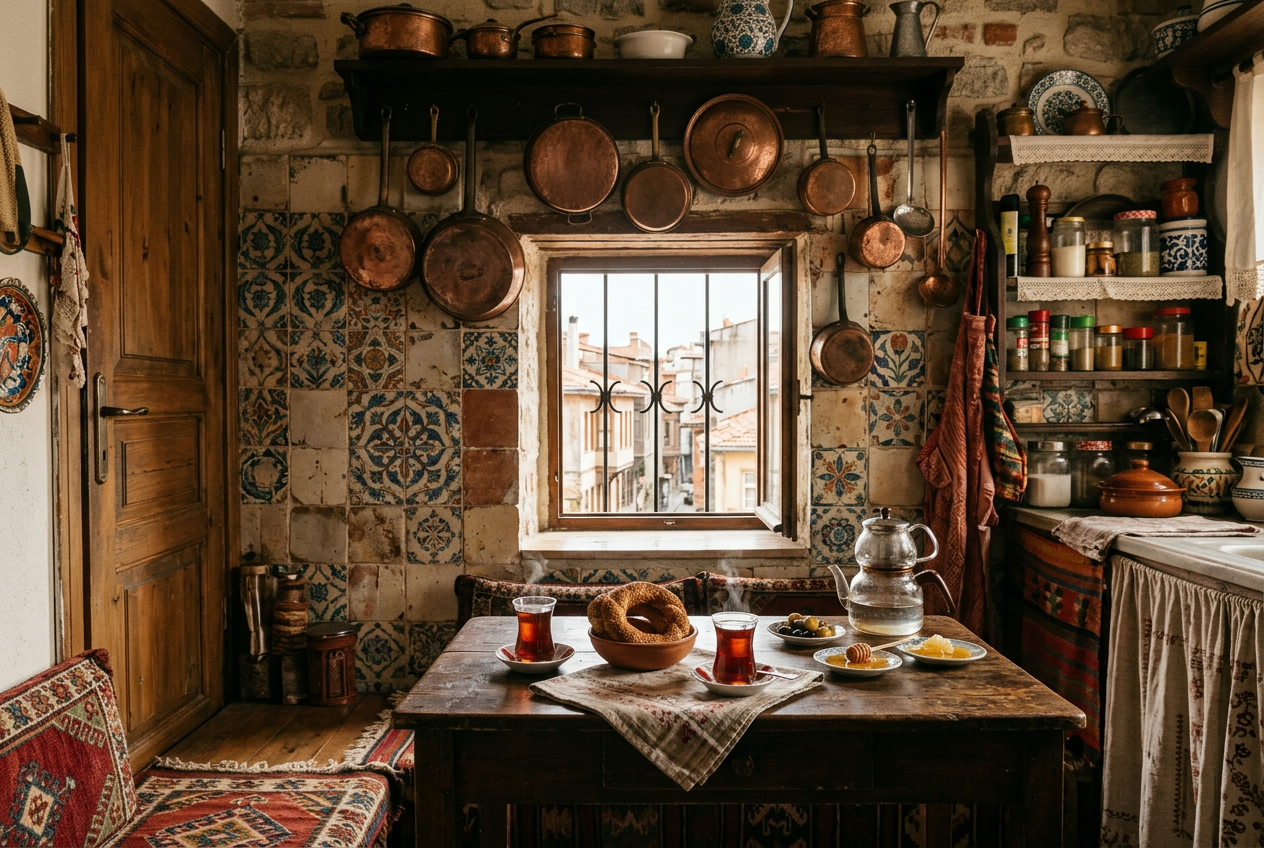
My name is Doğukan Aydemir. I grew up in Kadıköy, on the Asian side of İstanbul, in a fourth-floor apartment that always smelled of something simmering — onions browning in sunflower oil, dried oregano crumbling into a tomato base, the faint sweetness of tel kadayıf baking next door. Food was never simply fuel in our household. It was the first language spoken between people who loved each other.
Childhood Flavors That Never Left
My grandmother, Fatma Hanım, was the real architect of my palate. She cooked entirely from memory — no recipes, no timers, no measurements. A pinch of this, a generous handful of that. She could taste a pot of mercimek çorbası and tell you, in under a second, exactly what it was missing. Watching her work was my first cooking lesson, and it remains the most important one I have ever received.
On Friday evenings the whole family would crowd around a table that was, in retrospect, far too small for the number of dishes placed on it. There was always a slow-braised et yemeği, a cold piyaz dressed in sharp white-bean vinegar, and whatever vegetable was in season stuffed into a delicate dolma wrap. My mother and aunts debated technique loudly over the noise of the television. I sat quietly and ate everything twice.
"She cooked entirely from memory — no recipes, no timers, no measurements. Watching her was my first cooking lesson, and the most important one I ever received."
— Doğukan, on his grandmother Fatma Hanım
Across Turkey: A Journey Through Taste
In my early twenties I began travelling — deliberately, hungrily — to understand the country through its food. I spent time in Gaziantep, a city that wears its culinary pride like a medal. I ate baklava still warm from the tray, lahmacun charred at the edges from a wood-fired oven, and a bowl of beyran soup at six in the morning that rearranged everything I thought I knew about breakfast.
The Aegean coast taught me restraint. In Alaçatı and Çeşme, the food was minimal and confident — olive oil pressed from century-old trees, wild herbs foraged from hillsides, grilled fish that needed nothing beyond salt and lemon. I began to understand that the fewer the ingredients, the louder the truth of each one must speak.
In the Black Sea highlands around Rize, I tasted mıhlama — a molten fondue of cornmeal, butter, and local kolot cheese — cooked over a wood fire inside a stone farmhouse while rain hammered the roof. It was one of the most extraordinary things I have ever eaten, and I have spent years since trying to replicate its particular depth of flavour in my own kitchen.
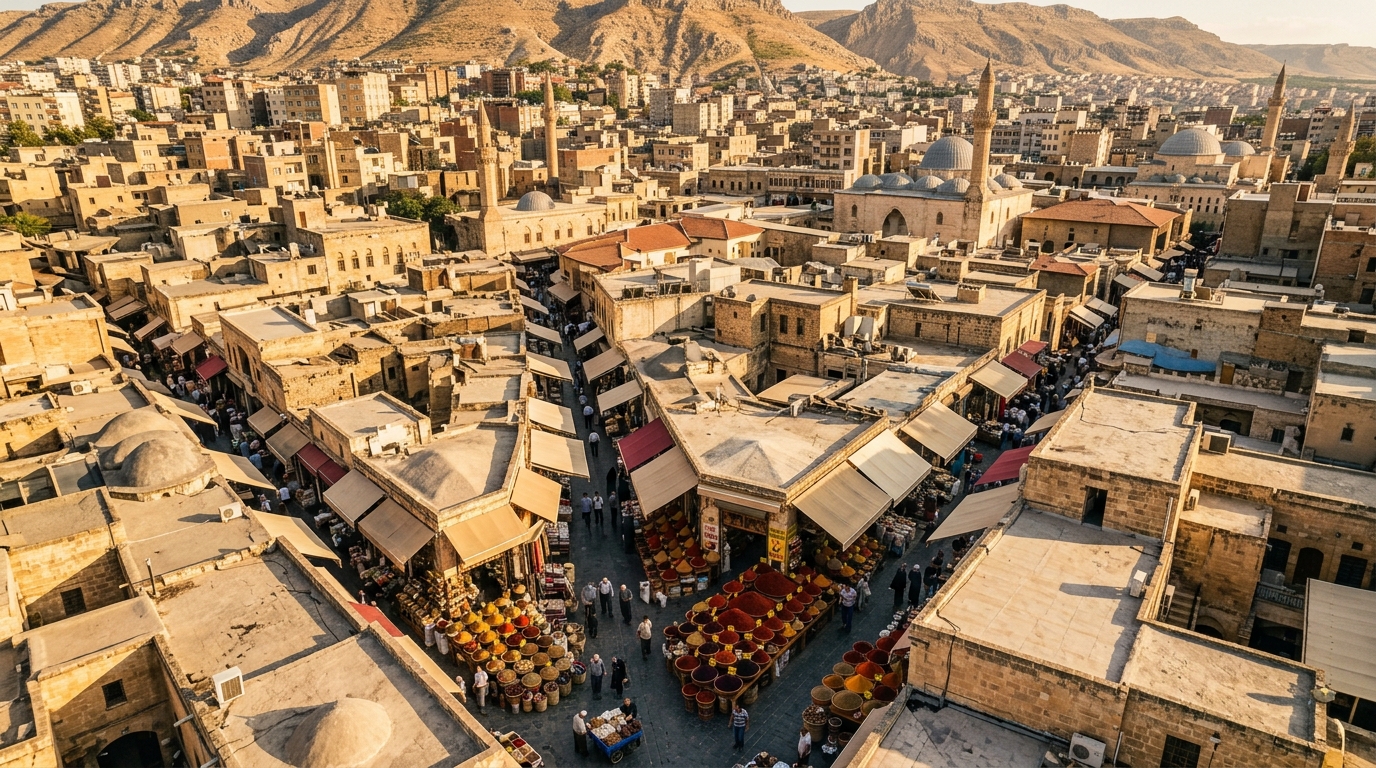
"I began to understand that the fewer the ingredients, the louder the truth of each one must speak."
— Doğukan, on the Aegean coast
Influences, Mentors, and a Dog-eared Notebook
Beyond my grandmother's unwritten curriculum, I found guidance in books. Claudia Roden's A New Book of Middle Eastern Food was a revelation — not because of its recipes alone, but because of the way Roden wove personal history into every page. Reading it, I began to understand that a recipe is never merely a recipe. It is a compressed biography of whoever cooked it before you.
I carried a small Moleskine notebook on every trip. Into it went overheard conversations in tea houses, the name of a spice I didn't recognise in a village market, the proportions of a marinade whispered to me by a fisherman's wife in Trabzon. That notebook became the first archive of this blog — though I didn't know it yet.
I also spent time in the professional kitchen — briefly, formatively. A short stage at a contemporary Anatolian restaurant in Nişantaşı gave me a respect for precision and mise en place that I carry into my home cooking to this day. But it also confirmed something important: my place was not in the brigade. It was at the table, sharing the story of the dish alongside the dish itself.
Why a Blog? The Philosophy of Sharing
dogukan-aydemir began during a quiet winter in 2019. I had just returned from a month in southeastern Anatolia and my notebook was full. Friends kept asking for my recipes — the slow-cooked lamb shoulder I'd adapted from a Şanlıurfa cook, the walnut-stuffed grape leaves I'd learned in a village outside Antakya. I started writing them down properly, with the history and the memory attached, and I put them on the internet.
The response surprised me. People wrote in from diaspora communities in Germany, Canada, and Australia, telling me that a recipe had helped them feel closer to a country they had left years before. That changed everything. I understood that what I was doing was not just culinary documentation — it was a form of preservation, and perhaps of connection.
Every recipe on this blog has a root. Most have a story — a grandmother, a market stall, a particular afternoon in a particular city. I test each one multiple times in a domestic kitchen, with domestic equipment, because I want you to be able to make it on a Tuesday evening with what you have in your cupboard. Authenticity, to me, does not mean impossible perfection. It means honest flavour and honest intent.
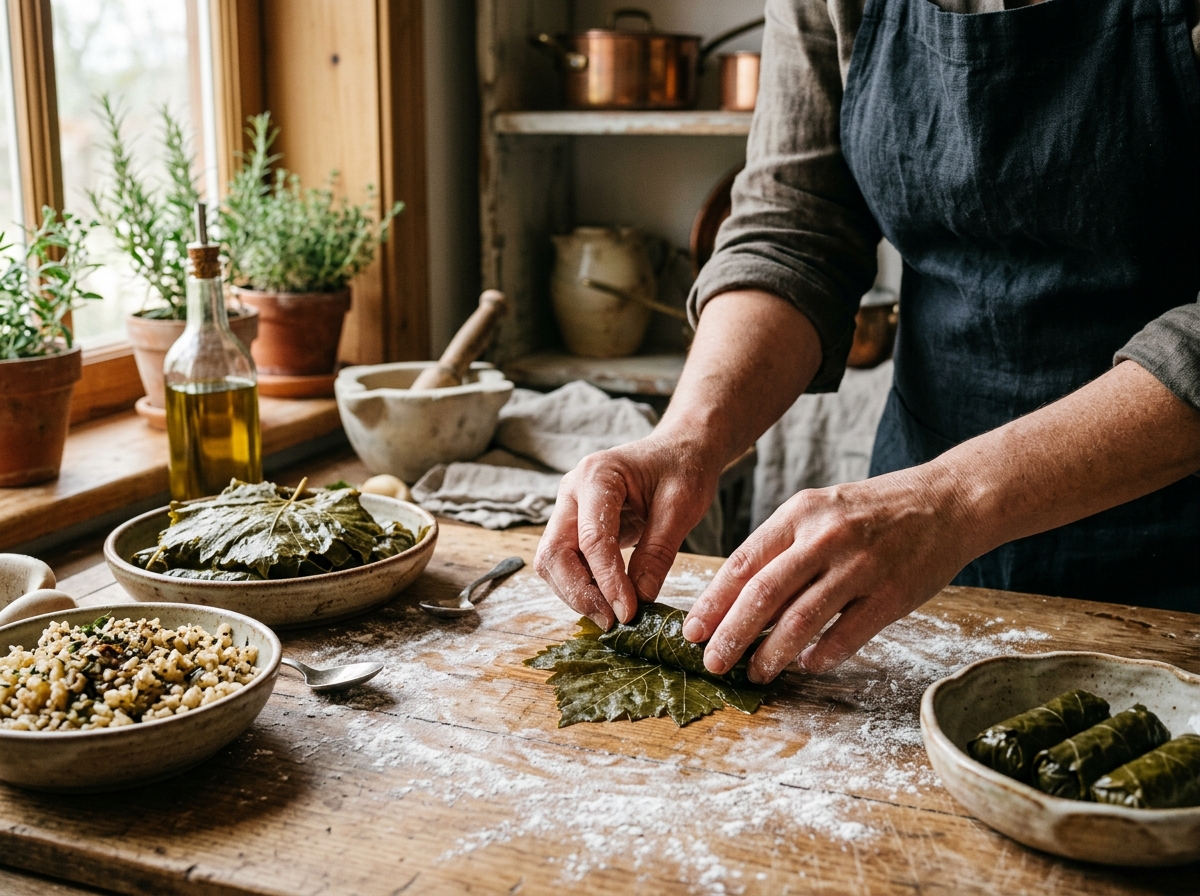
"Authenticity does not mean impossible perfection. It means honest flavour and honest intent."
— Doğukan Aydemir
Where I Am Today
I still live in İstanbul, though I have moved from Kadıköy to Beyoğlu — a neighbourhood of steeper hills, older stone, and excellent morning bread. I cook almost every day. My kitchen is small and impractical and I would not trade it for anything. The notebook has become many notebooks. The blog has become a project I am genuinely proud of.
I travel when I can, always with an appetite for the unfamiliar. I am drawn particularly to the borderlands — Hatay, Kars, Mardin — places where cultures have overlapped for centuries and the food tells that layered story plainly. I am working on a longer project about the culinary heritage of these regions, which I hope to share in some form in the coming years.
Most of all, I am grateful for every person who has cooked one of these recipes, written to say how it turned out, or simply sat with a cup of çay and read the story behind the dish. That exchange — between a kitchen in İstanbul and a kitchen somewhere else in the world — is precisely what this blog exists for. Pull up a chair. There is always enough at this table.
İstanbul, Türkiye — est. 2019
Get in Touch
Whether you have a recipe question, a collaboration idea, or just want to share what you cooked — I'd love to hear from you.
Owner & Chef
DOĞUKAN AYDEMIR
Address
Çimen Sokak No:53
34773 Ümraniye/İstanbul
Türkiye
Response Time
Typically within 1–3 business days
"Every great meal starts with a conversation. Let's talk food."
Send a Message
Recipe suggestions, collaboration inquiries, or just a kind word — all are welcome here.
Recipes Rooted in Tradition, Plated with Passion — a culinary journey from the heart of İstanbul to your kitchen.
Navigate
Legal
Get in Touch
© 2026 DOĞUKAN AYDEMIR. All rights reserved.
Crafted with care in İstanbul — recipes made to be shared.